
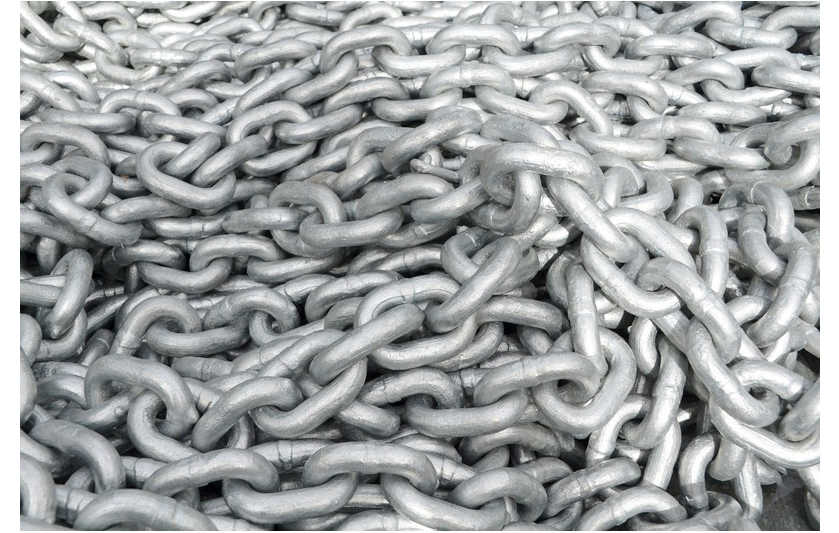
Choosing Your Right Anchor Rode
Final Check Before You Buy
Take time to confirm these key details before ordering your anchor rode:
✓ Windlass manufacturer and model number
✓ Chain diameter
✓ Chain grade standard and link pitch
✓ Anchor‑rope diameter
✓ Rope construction (3‑strand, double braid or 8‑plait)
✓ Gypsy wheel marking specifications
✓ Compatibility for rope‑to‑chain splice
Spending just five minutes verifying specifications can help you avoid costly compatibility issues down the line.
Most boaters spend countless hours shopping for and comparing anchors. Yet far fewer give thoughtful consideration to their anchor rode — the rope, chain, or rope‑and‑chain assembly linking the anchor back to the vessel.
This component should never be treated as an afterthought. Even with a high‑quality anchor, a poorly‑matched or weak rode can put your entire anchoring system at risk.
What Is an Anchor Rode
An anchor rode refers to the entire assembled connection system that links a boat to its seabed‑resting anchor.
Many boaters use rope, chain, and rode interchangeably. They mean different things.
While rope and chain are just individual material components, the rode is the complete, ready‑to‑use assembly. It is not merely a single length of chain; every part within the system must be properly matched with one another.
A typical complete anchor rode consists of:
‑ Ropes
‑ Chains
‑ Shackles or Swivels
‑ A rope‑to‑chain splice
‑ Optional chafe‑protection fittings
Rope&Chain vs All‑Chain: Which Anchor Rode Setup Works Best?
There are two primary configurations for your anchor rode. Each offers distinct advantages, and the optimal choice depends on your vessel, anchoring practices and windlass system.
Rope&Chain Combination Rode
This is the most widely‑used anchor rode setup for leisure powerboats and cruising yachts.
Key Benefits:
– Lighter overall weight
– Puts less strain on your windlass and anchor locker
– Great stretch to absorb sudden shock loads
– You don’t need huge lengths of chain for reliable anchor holding
– Simpler to manage when handling by hand
All‑Chain Rode
An all‑chain rode runs entirely in chain, connecting the anchor straight to the anchor locker.
Key Benefits:
‑ Superior resistance against wear and abrasion
‑ Performs well when anchoring over rock or coral seabeds
‑ Delivers a favorable anchor angle for stronger bottom bite
‑ Perfect for anchoring in deep water
Important Considerations:
‑ Significantly heavier compared to rope‑chain combination rodes
‑ Needs deeper anchor locker storage space
‑ Performs best paired with a heavy‑duty windlass
‑ Must match the exact gypsy size of your windlass
How to Choose the Right Rode for Your Boat?
1. Boat Length & Displacement
Boat Size Ideal Rode Setup
Under 22 ft Rope/chain combo
22–40 ft Rope/chain or all-chain
40+ ft All-chain recommended
2. Anchor Type & Weight
Make sure your rode matches your anchor’s working load. Modern heavy‑weight anchors like plow, scoop, and claw types gain advantages from longer chain segments.
3. Bottom Conditions
Bottom Type Recommended Rode
Sand / Mud Rope/chain combo
Grass / Silt Longer chain section
Rock / Coral All-chain or heavy chain leader
4. Windlass Compatibility
When using a windlass, your rode requires an exact gypsy‑size match. Key factors include rope diameter, chain link pitch, and splice type.
How Much Rode Do You Need? (Scope Guide)
Scope refers to the ratio between your deployed rode length and the water depth. It is scope, not catenary, that maintains your anchor’s holding power.
Heavy‑weight chain creates catenary, the downward sag that helps keep a low pulling angle on your anchor. While this effect does exist, it vanishes in rough weather when the chain pulls completely taut. Real‑world anchor holding performance mainly depends on scope — how much rode you let out compared to water depth.
Follow these practical scope ratios: 3:1 as an absolute minimum for calm weather, 5:1 for everyday anchoring, and up to 8‑10:1 during heavy winds or over poor‑holding seabeds. Select your chain based on strength rating instead of weight.
‑ 3:1 Calm conditions, brief anchoring stops
‑ 5:1 Regular daytime anchoring
‑ 7:1 Overnight anchoring
‑ 10:1 Strong winds or low‑holding bottom
Example:
For 15‑foot water depth, a 5:1 scope requires 75 feet of anchor rode.
Understanding Chain Standards
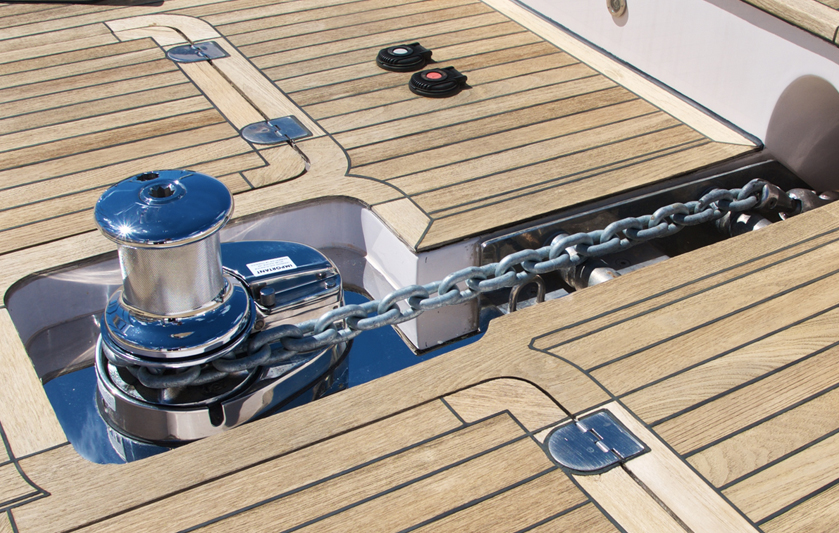
HT, DIN, ISO, BBB and ASL all describe how a chain’s links are calibrated to fit a windlass gypsy. Two chains of the same diameter can still have a different pitch — so match the standard, not just the size.
DIN766 – the German standard, common on European-built windlasses
BBB – compact short-link chain, the traditional US windlass standard
High Test – High-tensile chain with roughly double the working load of BBB at the same size
What Is the Difference Between BBB Chain and G4 (High Test) Chain?
BBB, also called Grade 30 chain, is constructed from low‑carbon steel. It features consistent short‑link pitch, engineered to run smoothly in windlass gypsies built for BBB‑spec chain.
G4 High‑Test chain (Grade 43) uses high‑carbon steel. At equal chain diameter, its working load capacity doubles compared to BBB chain. This allows you to select one‑size‑smaller G4 chain while matching the strength of a larger BBB chain, cutting overall weight by roughly 30 %.
Rope‑Chain Size Matching for Rope‑to‑Chain Windlasses
What Rope size do I need then and how do I find which one?
Here is a simple practical rule. For auto rope‑to‑chain windlasses, rope size is largely determined by your chain dimension. Once your chain size is known, selecting the correct rope becomes straightforward.
These pairings are not an absolute perfect fit in every case. Still, the combinations below represent common strength‑based matches. They can also serve as a helpful reference for non‑auto windlass installations:
‑ 6 mm / 7 mm chain → 12 mm rope
‑ 8 mm / 9 mm chain → 14 mm rope
‑ 10 mm / 11 mm chain → 16 mm, 18 mm or 20 mm rope (varies by auto‑windlass model)
‑ 12 mm / 13 mm chain → 20 mm or 22 mm rope
If you still have more questions about the anchor chains & ropes choice, please feel free to email us, info@hiniumarine.com